






Project SHOUT
In England and Wales it is estimated that there are 50 deaths a year from carbon monoxide poisoning and in the UK 4000 people are admitted into A&E every year with suspected carbon monoxide poisoning.
Sprue’s initiative 'Project SHOUT' is intended to raise awareness of the dangers of carbon monoxide gas and to highlight the importance of having carbon monoxide alarms in your home.
Carbon monoxide is a poisonous, odourless and colourless gas and its presence cannot be detected by our senses. When carbon monoxide gas is breathed in it gets into the blood stream and behaves like oxygen, attaching itself to red blood cells which can then no longer carry oxygen. This leads to oxygen starvation and causes the cells and tissues to die.
Carbon monoxide is produced from the combustion of smouldering and burning carbon materials but can also be produced from incorrectly installed or ageing gas boilers. It is recommended that carbon monoxide alarms are located in any room containing fuel-burning appliances.
Carbon monoxide alarms complying with EN 50291 contain electrochemical cells that are designed to detect the presence of carbon monoxide gas. They ignore transient levels of carbon monoxide gas produced in low concentrations from sources such as smouldering incense or cigarettes but when the concentrations and duration of exposures reach hazardous levels the carbon monoxide alarm will produce an audible warning signal.
As well as containing useful information, such as where to buy carbon monoxide alarms, Project SHOUT has two videos- one detailing a fatality resulting from carbon monoxide poisoning and one demonstrating how the presence of a carbon monoxide alarm saved lives when a newly installed boiler produced dangerous concentrations of carbon monoxide gas.
This article was created by --BRE_Buzz. It based on an article originally published on BRE Buzz in October 2015 and was written by Helen Ball, Marketing and Press Manager at BRE.
Featured articles
Check out some of the best features and news from Designing Buildings as well as key stories from around the web.
Undervaluing our industrial past

Heritage value changes as taste for building styles changes.
Changing expectations around competence and compliance

New information sheet from CIAT.
Grenfell investigation files passed to CPS

Angela Rayner apologises on behalf of the British state.

Electrical contractors need to understand the practical implications.

The real barrier to getting more value from digital technology.

Your guide to The Construction Reset at UKCW Birmingham.

Accommodating the Victorian and Edwardian working woman. Book review.
Rethinking passive fire protection in design

PFP demands the same level of design rigour as structure or services.

38% of Gen Zs feel safe when a fire door is wedged open.
Stunning images from around the world

Shortlist for CIOB’s Art of Building photography competition.

Guidance for conversion of traditional pre-1919 stone buildings.
Industrial heritage in the Ruhr
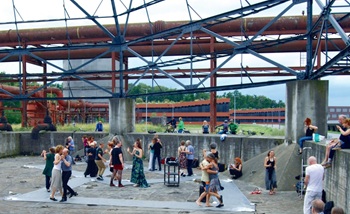
A marked difference to the fate of industrial landscapes in the UK.